Cardiologist

Cardiologist Specialist

privacy-policy
About Cardiologist
who is a cardiologist doctor?

A cardiologist is a doctor who specializes in diagnosing and treating diseases and conditions of the cardiovascular system, which includes the heart and blood vessels. Cardiologists are experts in managing issues such as heart attacks, heart failure, heart valve disorders, arrhythmias (irregular heartbeats), hypertension (high blood pressure), and more.

What Can a cardiologist Do?

Interventional Cardiologist: Provides overall care and preventive health for children.

Electrophysiologist:Treats heart conditions in children.

Heart Failure Specialist: Manages hormone-related disorders, like diabetes.

Pediatric Cardiologist : Addresses digestive system issues.

Cardiac Imaging Specialist:Focuses on blood disorders and childhood cancers.

Preventive Cardiologist: Deals with kidney-related conditions.

Cardiac Surgeon: Addresses respiratory issues.

Adult Congenital Cardiologist: Treats adults with congenital heart defects.

Vascular Cardiologist:Specializes in diseases of the blood vessels like peripheral artery disease.

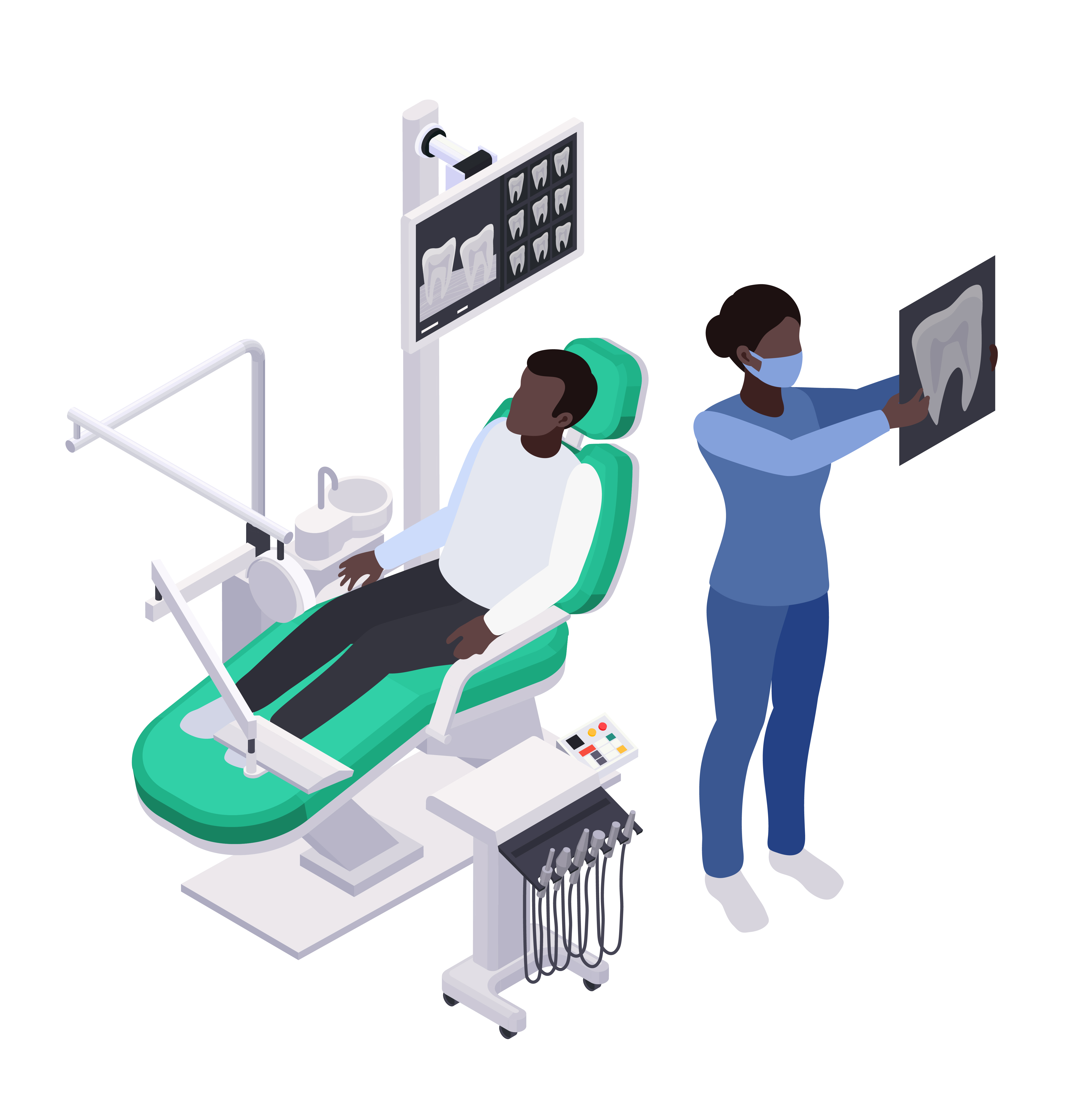
Subcategories of Cardiologist

Cardiologist specialitites

Interventional Cardiologist

Specializes in procedures like angioplasty, stent placement, and other catheter-based treatments for blocked arteries and heart defects.
Typically performs minimally invasive procedures to treat coronary artery disease, heart valve disease, and peripheral artery disease.

user-image

Electrophysiologist

Pediatric cardiologists diagnose and treat heart conditions in children, including congenital heart defects, arrhythmias, and other cardiac issues. They perform tests like echocardiograms and manage conditions through medication, lifestyle changes, and sometimes surgical interventions.

user-image

Heart Failure Cardiologist

Specializes in managing and treating patients with heart failure.
These cardiologists focus on advanced therapies like heart transplants, mechanical heart pumps (LVADs), and medication management for those with severe heart failure.

user-image

Pediatric Cardiologist

Specializes in diagnosing and treating heart problems in children, including congenital heart defects, heart murmurs, and rhythm disorders.
Works with children from infancy through adolescence and may collaborate with cardiac surgeons for corrective heart surgeries.

user-image

Cardiac Imaging Specialist

Focuses on advanced imaging techniques to diagnose heart conditions, using tools like echocardiography, MRI, CT scans, and nuclear imaging.
Helps provide a detailed understanding of heart anatomy, structure, and function.

user-image

Preventive Cardiologist

Focuses on preventing heart diseases through lifestyle changes, medication, and monitoring risk factors like cholesterol, blood pressure, and diabetes.
Helps patients with a high risk of heart disease manage and reduce their risk.

user-image

Cardiac Surgeon

Performs surgical procedures on the heart and its associated structures.
Specializes in surgeries like coronary artery bypass grafting (CABG), valve replacements, heart transplants, and repairs of congenital heart defects.

user-image

Vascular Cardiologist

Focuses on diseases of the blood vessels, including arteries, veins, and the circulatory system.
Often treats conditions like peripheral artery disease (PAD) and aortic aneurysms.

user-image

FAQ

Routine Questions About Pediatrician

ClinixTime is your one-stop solution for all dental queries.

It's recommended for children with heart conditions to see a cardiologist regularly, often at least once a year, or more frequently as advised by the physician.
It's common for children to feel anxious during medical visits, including cardiology. Comforting them and explaining what to expect can help ease their fears.
During a cardiology appointment, the doctor will review your child's medical history, conduct a physical examination, and may order tests such as an EKG or echocardiogram.
A cardiologist may recommend tests like an electrocardiogram (EKG), echocardiogram, Holter monitor, or stress test to assess heart health.
Prepare your child by discussing the visit, practicing deep breathing exercises, and bringing along comfort items such as a favorite toy.
Signs such as chest pain, shortness of breath, fatigue during physical activity, or a family history of heart disease should prompt a visit to a cardiologist.